Contents:
- Why Rental Flooring Is Different From Home Flooring
- How These Floors Were Ranked
- The Ranking
- Rigid-Core Luxury Vinyl Plank (Best Overall)
- Porcelain Tile (Best for Durability and Wet Areas)
- Waterproof Laminate (Best Budget Wood Look)
- Sealed Concrete or Polished Slab (Best for Low Maintenance)
- Engineered Hardwood (Best for Upscale Properties)
- Carpet Tile (Best for Bedrooms and Noise Control)
- What the Pros Know
- Best vs. Budget: Side-by-Side
- The best setup
- The budget setup
- Practical Tips for Gulf Coast Rentals
- Frequently Asked Questions
- What is the best flooring for an Airbnb in Florida?
- Is vinyl or tile better for a beach rental?
- How much does it cost to reFloor a vacation rental?
- Is hardwood a bad idea for a vacation rental?
- How do I keep rental floors looking good?
- The Bottom Line for Rental Owners
It is Saturday at 10:45 a.m. Guests checked out at 10:00, the next family arrives at 4:00, and your cleaner just texted a photo: sandy footprints ground into the hallway, a wet towel ring on the bedroom floor and a suitcase scuff across the entry. Every vacation host on the Florida Gulf Coast knows this scene. The best flooring for vacation rentals is the floor that shrugs it off, dries fast, wipes clean in minutes and still looks good in listing photos. This ranking covers the options that actually hold up under turnover, sand, humidity and salt air, and what each costs in 2026.
Why Rental Flooring Is Different From Home Flooring
A primary residence sees a handful of people who learn the house. A short-term rental sees a new group every few days: wheeled luggage, wet bathing suits, sand, sunscreen, spilled drinks and the occasional dropped cooler. Gulf Coast properties add humidity above 70 percent for much of the year, salt air and the risk of storm water. A floor that looks perfect in a showroom can look tired after one busy season. The flooring you choose for an Airbnb should be judged on durability, water tolerance, cleaning speed and replacement cost, in that order.
How These Floors Were Ranked
Each option was scored on five practical criteria:
- Water and humidity tolerance. Can it survive wet feet, spills, a leaking fridge line and humid air?
- Scratch and dent resistance. Wheeled suitcases, furniture dragging and pet claws.
- Cleaning speed. Can a cleaner restore it in minutes between guests?
- Look and photo appeal. Listings with a clean, bright, coastal look tend to earn more bookings.
- Total cost. Installed price, plus how easily a damaged section can be repaired.
The Ranking
1. Rigid-Core Luxury Vinyl Plank (Best Overall)
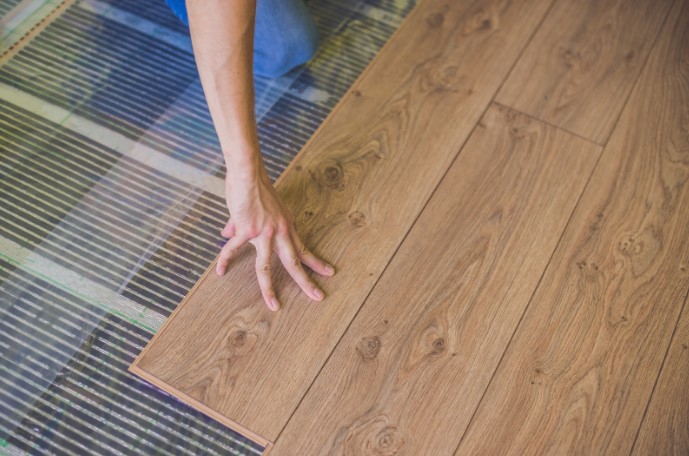
Rigid-core luxury vinyl plank takes the top spot because it handles every problem a rental throws at it. The core does not absorb water, the wear layer resists scratches, and the click-lock planks can be swapped individually if one is damaged. Wood-look and stone-look designs photograph well, and the surface is warmer and quieter underfoot than tile. Installed cost typically runs $5 to $12 per square foot.
Where to find it: tampa bay floor stores carries a range of rigid-core options, so you can compare wear-layer thickness, thickness in millimeters and warranty terms side by side. Look for a wear layer of at least 20 mil for rentals, and ask for a commercial or light-commercial rating. You can browse the https://tampabayfloorstores.com/catalog/luxury-vinyl-flooring/ category to see what is available.
2. Porcelain Tile (Best for Durability and Wet Areas)
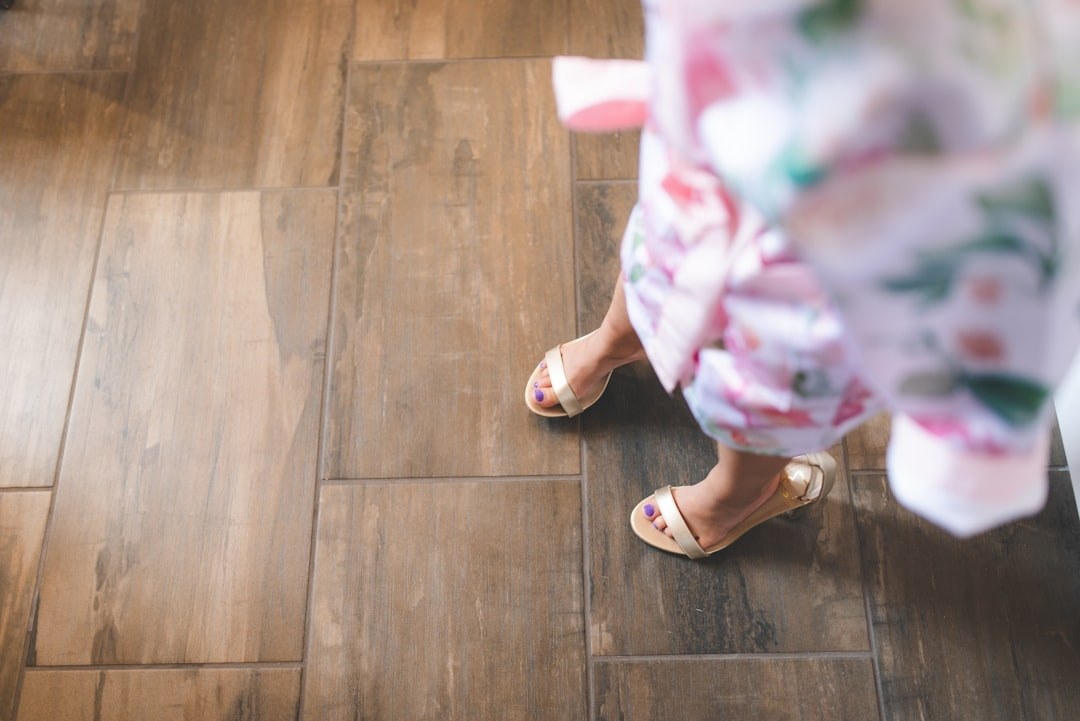
Porcelain tile is nearly indestructible. It is waterproof, resists scratches and stains, tolerates sand and cleans with a mop. A wood-look porcelain plank gives you the warm look guests like with none of the wood’s weakness. The trade-offs are cost, at roughly $8 to $20 per square foot installed, a hard and cool surface and grout lines that need sealing or a stain-resistant epoxy grout. Tampa Bay Floor Stores can show you slip-resistant finishes for entries, lanais and bathrooms, which matter in a home where wet feet are guaranteed.
3. Waterproof Laminate (Best Budget Wood Look)
Waterproof laminate offers a very hard, scratch-resistant surface at $4 to $9 per square foot installed. It suits bedrooms, living areas and hallways where spills are wiped up quickly. It is not the right choice for bathrooms, laundry rooms with leak risk or areas near sliding doors that get rain. Treat the “waterproof” label as a time-limited margin of safety, not a guarantee.
4. Sealed Concrete or Polished Slab (Best for Low Maintenance)
If your property has a clean slab, sealing and polishing it can be the cheapest and toughest floor of all, at around $3 to $8 per square foot. It is easy to clean, handles moisture and sand, and looks modern. The downsides are hardness, noise, visible cracks and a style that may not suit a beachy cottage. Area rugs help with comfort and sound.
5. Engineered Hardwood (Best for Upscale Properties)
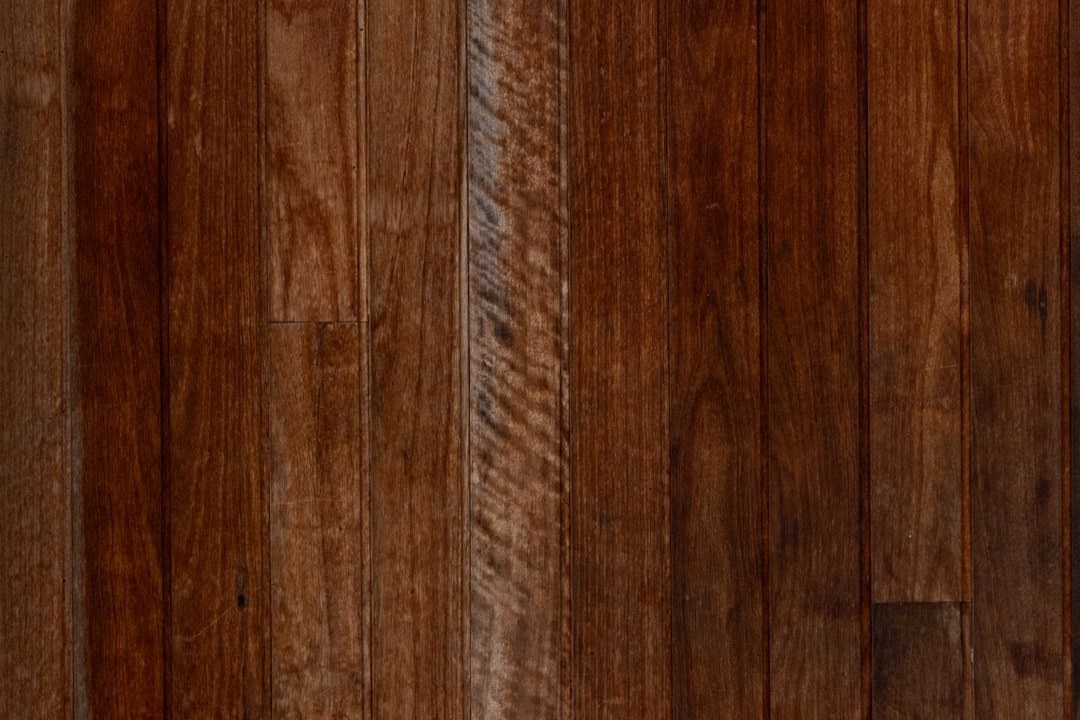
Engineered hardwood gives a premium look that suits higher-end rentals. A tough finish and a stable core handle Florida’s humidity better than solid wood. But it is vulnerable to standing water and deep scratches, and refinishing is limited. Use it in bedrooms and living areas of upscale units, not in entries and kitchens.
6. Carpet Tile (Best for Bedrooms and Noise Control)
Modular carpet tiles let you replace one stained square instead of a whole room, and they cut noise in multi-unit buildings. Choose solution-dyed, stain-resistant products and avoid them in humid or wet-prone areas.
What the Pros Know
Pro tip: Order 10 to 15 percent extra and store a few boxes from the same lot at the property. When a plank gets damaged mid-season, you can repair it in an hour between guests without hunting for a match. Also add felt pads to every chair and table, and a washable mat inside every exterior door. Sand is a floor’s biggest enemy.
“Owners pick floors for the listing photos and regret it by August. Choose for turnover day. A floor you can wipe in five minutes and repair with a spare plank is worth more than a prettier one that shows every footprint.” — Renee Castellano, short-term rental property manager with 12 years of experience managing coastal vacation homes
Best vs. Budget: Side-by-Side
| Option | Installed cost per sq ft | Water tolerance | Durability | Best for |
|---|---|---|---|---|
| Rigid-core luxury vinyl | $5 to $12 | Excellent | High | Whole unit |
| Porcelain tile | $8 to $20 | Excellent | Very high | Entries, kitchens, baths |
| Waterproof laminate | $4 to $9 | Moderate | High | Bedrooms, living areas |
| Sealed concrete | $3 to $8 | Excellent | Very high | Modern, low-maintenance units |
| Engineered hardwood | $8 to $15 | Low | Moderate | Upscale bedrooms |
| Carpet tile | $3 to $7 | Low | Moderate | Bedrooms |
The best setup
Rigid-core vinyl throughout, with porcelain tile at the entry, kitchen and baths. This pairing handles nearly every spill, scuff and storm, and the cost is predictable.
The budget setup
Waterproof laminate in dry rooms, and vinyl or tile in baths and kitchens. A 1,000-square-foot condo might cost about $5,000 to $7,000 installed for a budget approach versus $8,000 to $12,000 for the best setup, a difference that is quickly covered if the floors last an extra season or two without repair.
Practical Tips for Gulf Coast Rentals
- Choose matte, mid-tone, textured finishes. They hide sand, hair and scratches better than glossy or very dark floors.
- Skip pure white or very dark colors. Light greige and warm oak tones are the most forgiving.
- Seal the perimeter with flexible sealant in wet areas.
- Use entry mats and a shoe or foot-rinse station near the beach door.
- Put felt pads on every piece of furniture and leak sensors under sinks and appliances.
- Test the slab and add a vapor barrier before installing a floating floor.
- Keep air conditioning running between guests to hold humidity steady.
Frequently Asked Questions
What is the best flooring for an Airbnb in Florida?
Rigid-core luxury vinyl plank is the best all-round choice, thanks to its water tolerance, scratch resistance and easy plank-by-plank repair. Porcelain tile is the best option for entries, kitchens and bathrooms.
Is vinyl or tile better for a beach rental?
Tile is tougher and lasts longer, while vinyl is warmer, quieter and cheaper to install. Many owners use both: vinyl in living and sleeping areas, tile where water is most likely.
How much does it cost to reFloor a vacation rental?
A 1,000-square-foot unit typically costs $5,000 to $12,000 installed, depending on materials, demolition and subfloor work. Get an itemized quote that lists removal, prep, materials and trim.
Is hardwood a bad idea for a vacation rental?
Solid hardwood is a poor fit because of humidity and water exposure. Engineered hardwood is acceptable in upscale bedrooms, but vinyl or tile will usually survive heavy turnover better.
How do I keep rental floors looking good?
Use mats at doors, felt pads under furniture, a manufacturer-approved cleaner and a fast cleaning routine. Keep spare planks or tiles for repairs.
The Bottom Line for Rental Owners
The best flooring for vacation rentals protects your income. Choose rigid-core luxury vinyl as the default, tile where water is constant, and save laminate for the budget plan in dry rooms. Visit Tampa Bay Floor Stores to compare samples against the lighting and sand of a real Gulf Coast home, and ask the team to price a whole-unit plan so you can see the numbers before the next booking season begins.